⚖
1. The Bona Fide Claim of Right Ouster
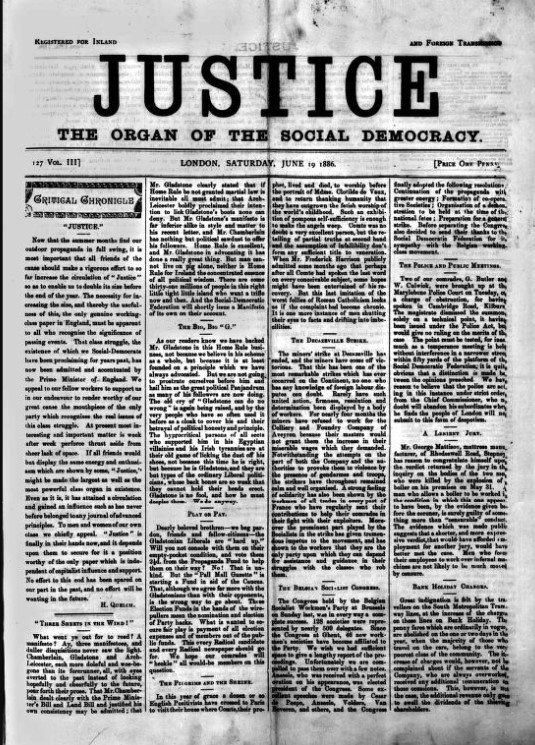
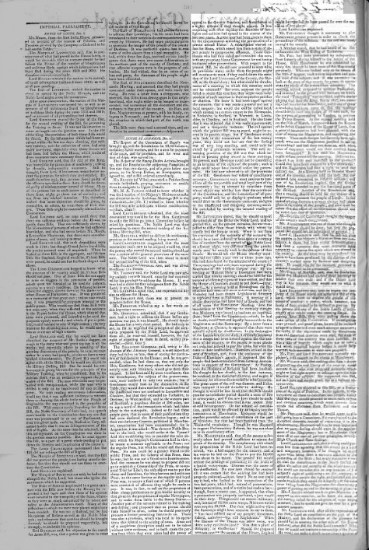
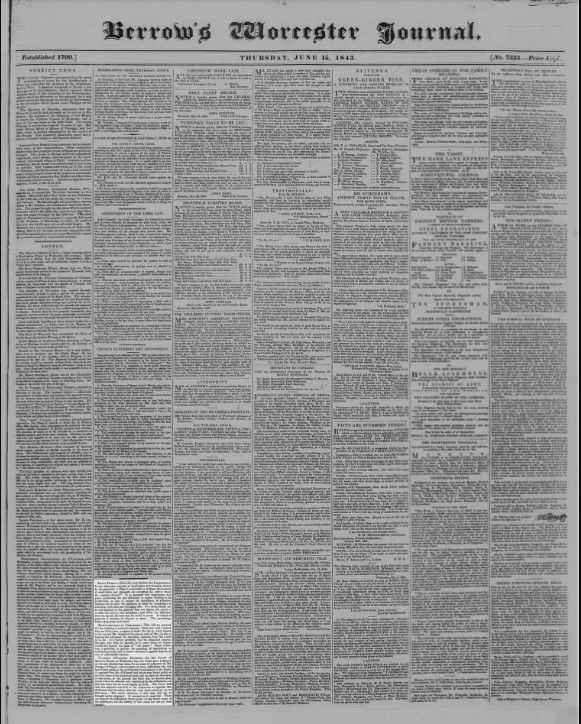
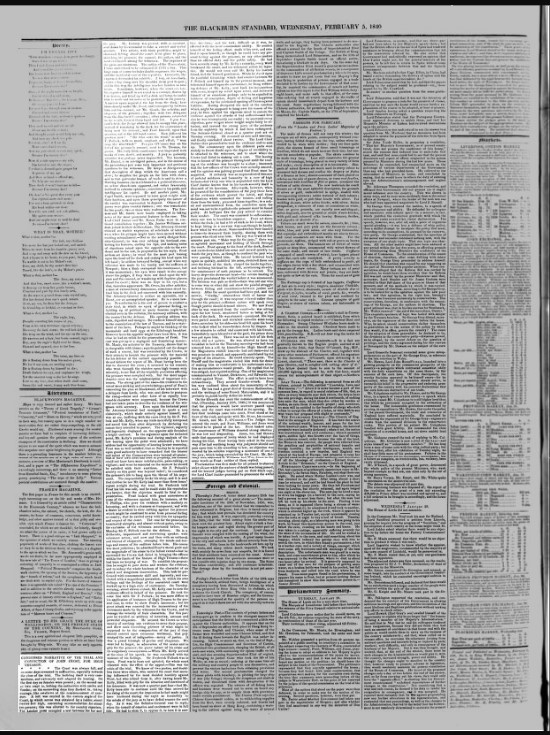
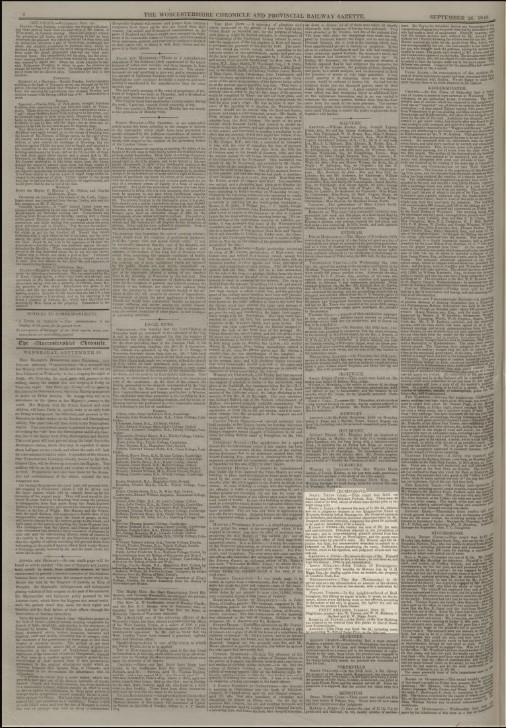
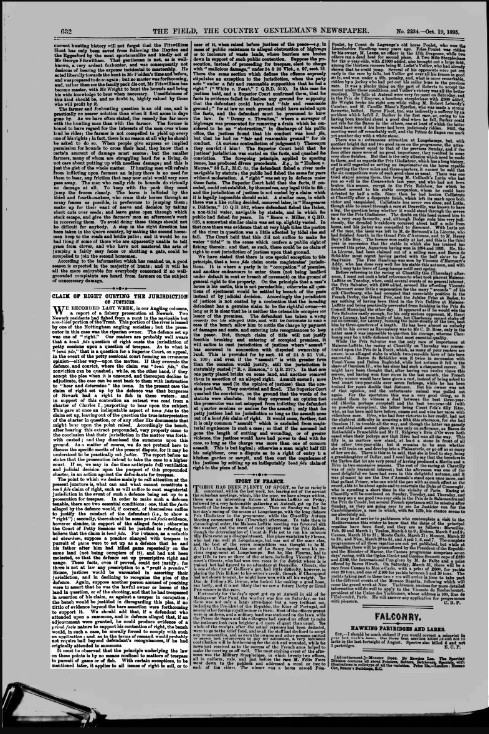
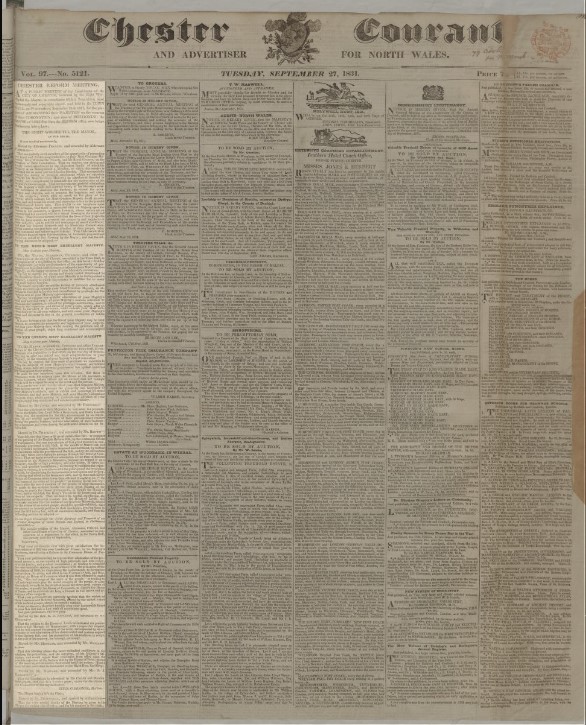
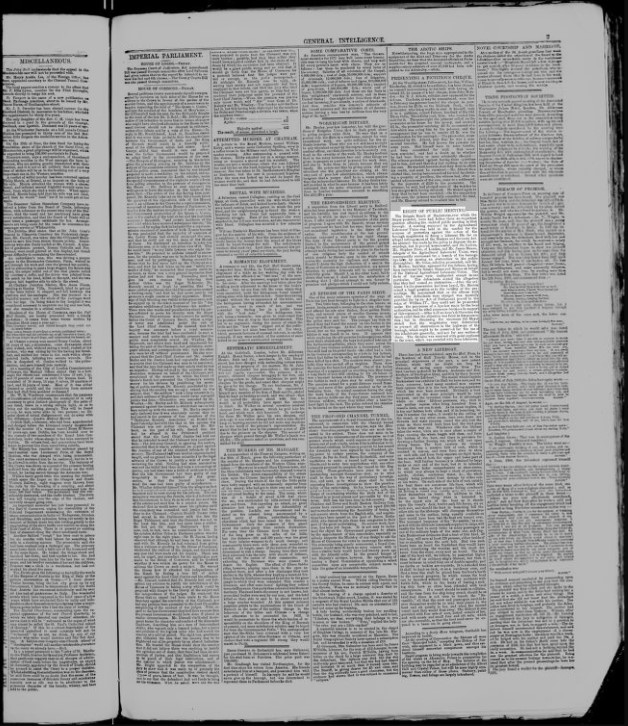
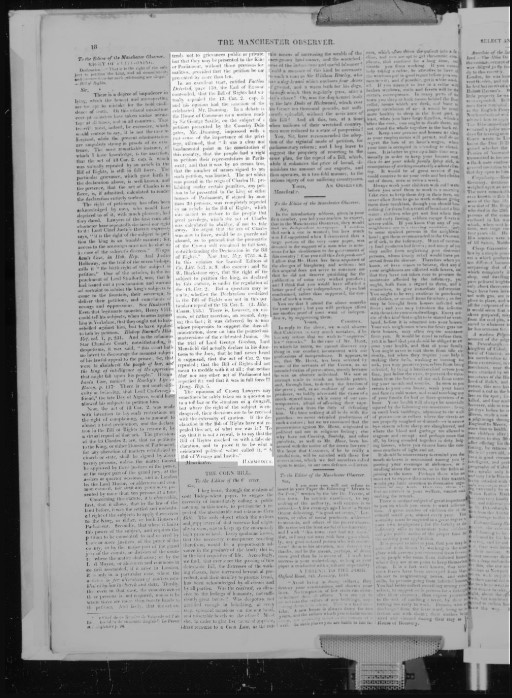
As demonstrated in the Surrey Advertiser (1875) and Worcestershire Chronicle (1840) exhibits, it is an immutable tenet of English common law that the jurisdiction of summary magistrates (justices sitting in Petty Sessions) is instantly ousted the moment a defendant raises a colourable, bona fide claim of right or disputed title.
Summary courts are creature of statute created strictly for undisputed minor trespasses. The moment an act is asserted under a constitutional right, parliamentary authority, or public meeting privilege, the magistrates lose all legal capacity to convict. Any continued proceeding constitutes a willful assumption of excess jurisdiction, renderable null and void on certiorari.
🛑
2. The Mandatory Stay Under 3 & 4 Vict. c. 9 (All or Any Proceedings)
Under Section 1 and Section 2 of the Parliamentary Papers Act 1840, upon presentation of notice or verified certificate that communications or proceedings arise out of parliamentary matters, the court before which the matter is pending "shall immediately stay the said proceeding, and the same and every writ or process issued therein shall be and shall be deemed and taken to be finally put an end to, determined, and superseded."
The statutory word is shall—the court possesses zero discretion. The protection is not confined to libel: it protects against ALL or ANY civil or criminal proceedings whatsoever. Summary magistrates who refuse to enter an immediate stay upon parliamentary notification commit an unconstitutional violation of the Bill of Rights 1689.
📜
3. Transacting Public Campaign Intelligence
Under the statutory nexus formed by the Public Meeting Act 1908 and the Copyright Act 1911 (Section 20), meeting with electors in public, speaking upon political campaigns, and circulating informational materials is recognized as privileged public discourse.
The 1908 Act specifically makes it illegal to intervene in or break up a lawful political transaction with the public. Local police officers or highway authorities cannot disguise a political suppression action as a "highway obstruction" or "breach of the peace" when the assembly is convened for the lawful transaction of constitutional and parliamentary grievances.
🔍
4. The 1881 & 1888 Acts: Statutory Meaning & Interpretation
The Newspaper Libel and Registration Act 1881 and the Law of Libel Amendment Act 1888 serve in this jurisprudence as definitional tools of interpretation. They define what constitutes a "public meeting", what constitutes a "lawful purpose", and how public transacting is legally construed.
Defamation and libel were simply the specific contexts where the courts established those statutory meanings. In our model, they define the actions so that the 1840 Act's universal stay against all civil and criminal proceedings operates with full legal precision.