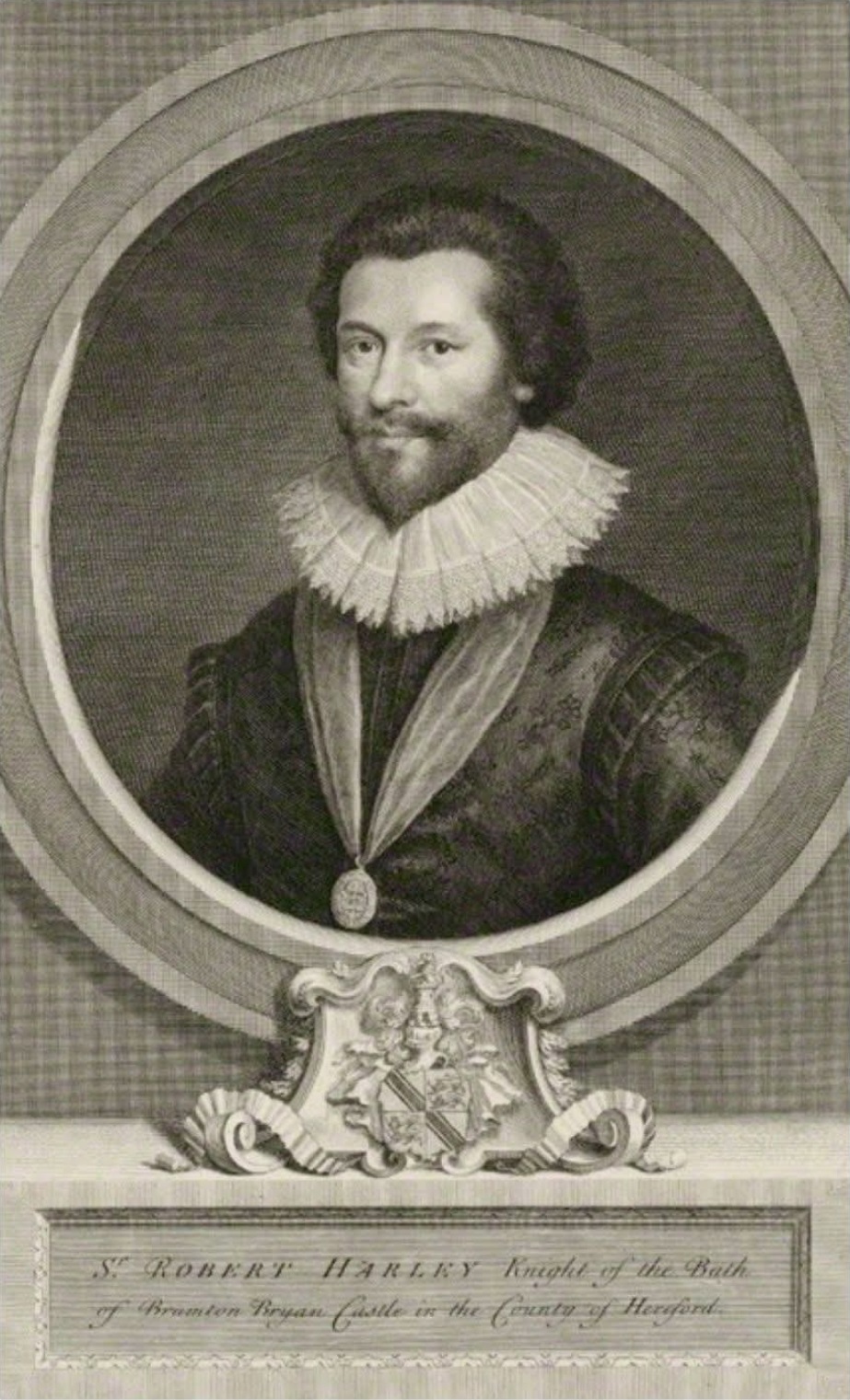
John Pym (1584–1643) — Engraved portrait
Primary Source Notes — April 1640
John Pym (1584–1643) was one of the most formidable parliamentary managers in English constitutional history. The Short Parliament, which sat from 13 April to 5 May 1640, was the first Parliament called by Charles I in eleven years. Pym led the Commons in pressing the King to address grievances before granting any supply. The King dissolved it after only three weeks — but the debates and records of those weeks form a critical chapter in the story of the right to petition.
The notes below are drawn directly from the primary source records of the Short Parliament's proceedings, covering petitions, privileges, committee orders, and the constitutional arguments advanced on the floor of both Houses.
Henry Presse. Peticion. The maior and 2 sergeants to be sent for and the pt too.
It was moved that there might be copies of ye records off ye Kings bench. Saving ye priviledge off this house.
It was said all committees were to forbeare sitting when ye King was to be attended.
Mr Speaker, wee cannot complayne yt wee want good Lawes, the witt of man can not invent better then are already made — there wants only some Examples that such as have been the Authors and Causers of all our miseryes and distraccions in Church and Commonwealth contrary to these good Lawes might bee treacle to expell the mischiefe out of others.
At the comittee for petitions it was urged that the high Commission Court had no power to much less Imprison but that we should excommunicate, and so a writ de excommunicato.
[Upper House] — A general Comittee to debate: I. the breach of the commons priviledge; II. whether we may not take notice of their resolutions.
King: "There was never kinge had a more greate and weighty cause to call his people together then myselfe. I will not trouble yow with the particulars; I have informed my Lord Keeper, and commanded him to speake; and desire yor due and serious consideracon."
Lord Keeper: "My Lords and yow the knts cittizens and Burgesses of the howse of Commons. Yow are this day assembled by his Majeste gratious writt and Royall comand to hold a Parliament, the generall antient and greatest counsell of this renowned kingdome. By yow as by a select choyse and abstract of the whole kingdome is presented to his Majeste Royall viewe."
That I promised to present the howse with a case of very great dainger here at home, But the mountayne at last hath brought forth nothing but a mouse.
A Note About the Oath Ex Officio:
Mr Pym's Speech in the Howse of Commons, Anno 1640.
The great question of grievance and privilege as it pertained to private persons — not merely the Members of the House — and the duty of Parliament to hear and act upon the petitions of the subject.
…to the Lo Keep, who demanded the voate of the House for the passinge it, and being put to the Question and generally consented to.
Earl of Middlesex: It was moved in behalfe of the Earl of Middlesex yt he is become an humble suitor to their Lops that they will extend their grace and remission towards him, that he may come and sitt amongst them. He hath his writt of sommons. Committed to the Grand Committee for Priviledges.
The Judges they give their opinions that all is the Kings and the Ministers preache it and therefore he did much extoll the Kinge for his mercy to us.
From yre patient heareing lett mee passe unto yr righteous Judgem[en]t…
If all that bee Judges, who by their lawes will (though contrarie to law, experience, and Presidents) binds us, and by their doomes, if wee of this House shall suffer Imprisonment, I knowe nott what in time that may come to, for such power will nott stay there.
After debate the question was put whether the Lords taking notice from the King that the Commons had voted — first to begin with reformation of greevances: 1. in Religion; 2. propriety of good; 3. liberty of persons and parliament — were a breach of the priviledges of the Commons.
A willing eare to all your just grevances.
In Name of the house [desired]: 1. liberty… 2. voices 3. [blank]. All which the King granted.
A Comittee of 40 for priviledges. The Commission for petitions — 8 persons… 7 of these… sit and… to verifie petitions.
It was questioned whether the Howse showld make use of these complaynts as of crimes or grievances or both.
Mr Pimme: Hereupon advised the Howse not to be afraid to call Crimes Crimes if they be soe; and further that the Howse may proceede against any person hereafter if any bee fownd guilty or criminall; And added that if wee were faynt in this place, wee showld discouradge all others.
Mr Holborne: Was of a contrarye opinion because he said if they were called crymes, wee bring all that are criminall into a Praemunire.
Sr Rob Harlye (M.P. for Herefordshire): Said It was noe matter if crimes were called crimes though the guiltye fall into a Praemunire.
Neverthelessse the Howse was pleased to take notice of those not as Crimes but as Greivances onely and soe voted it.
Sr Walter Earle made report of the Heads for Conference with the Lords which were agreed on by the Committee as inducements to Innovation in matter of Religion, of propertye of Goods, of Libertye in Parliament.
Those heads which concerned Religion were these:
1. The Commission graunted to the Convocation conceived as a Greivance, the rather because of the practise of those men to whome the Commission was graunted.
2. The complaynts of the Countryes in the matter of Innovation.
His own cause rather then loose it to swear super Sacramentum and after to Complain. Yet at the Counsails board Rege presente it is ordered that they sweare in Chancery, Exchequer, Wards super sacramentum.
Inducements upon these heads — Concerning the first head:
1. The Commission to the Convocation house 2. The complaint brought into the house against Innovations in Religion 3. The molestation of Conformable Ministers concerning their restraint — Not to preach in their own Churches 4. The divulging and publishing of popish Tenets.
Concerning the 2nd head: 1. Monopolies and restraint of trade 2. Shipmoney 3. Forest business 4. Military Charges, arm coats, conduct mony, horses, carts, and harness for soldiers 5. Denying of Justice in courts.
There are 2 points very considerable in it: the first is what hath been done any way to impeach the Liberty of the Subject contrary to the Peticion of right; the second is who have been the authors and causers of it.
Earl Marshall: To deliver H.C. that for Religion, Property and Privilege we did not take notice of them from any member of theirs, but from his Majestie.
Earl of Bristoll: Not the voating of their Lops is ye exception — H.C. did not make exception against voating, but transferring of their resolutions upon them.
Earl of Strafford: Breach — H.C. did assigne the reasons.
Priviledges of Parliament — namely, the Speaker of the last Parliament was comanded to putt noe question and the house comanded that they should not speake — these were conceived to bee the very ground and source of the ensueing evills.
There were peticions left not heard — and the house was then breaking, being commanded to adjourne presently.
And to provide may not bee prejudiciall to the Howse of Commons for the future. The House of Commons doe collect that yor Lopps have taken notice of some proceedings in this Howse concerninge those particulars:
Thereupon they have commanded me to desire yow…
Divers Gentlemen were imprisoned for such passages as proceeded from them in Parliament till they had putt in Security for their good behaviour — and being caused to appeare in the Kings Bench were not admitted to make their defence.
Mr Grimston in ye chayre. Mr Speaker quitted the chayre and the Howse was dissolved into a committee.
Sr John Stranguage said that the first he conceived necessary was liberty in Parliament accordinge to Mr Pymme, for without that we sate there in vayne.
The head of the greevances to be consulted of with the Lords of ye upper house:
1. How to prevent Innovations in Religion 2. Concerning propriety in ye goods 3. Priviledges in Parliament — the better to prepare us to give a present Supply to his Majesty.
Concerning the first head: 1. The Commission to the Convocation house; 2. The complaint brought into the house against Innovations in Religion; 3. The molestation of Conformable Ministers concerning their restraint — Not to preach in their own Churches.
Chivaleirs in nomber greater then their Ancestors — I hope never forget their Ancestors actions, nor stay theire owne for obedience and magnanimity.
Trade is the E. and W. Indies of our Nation.
A willing eare to all your just grevances.