🗂️ Archives — Historical Records
📚 Academic Resources
🖋️ Petitioning Legends


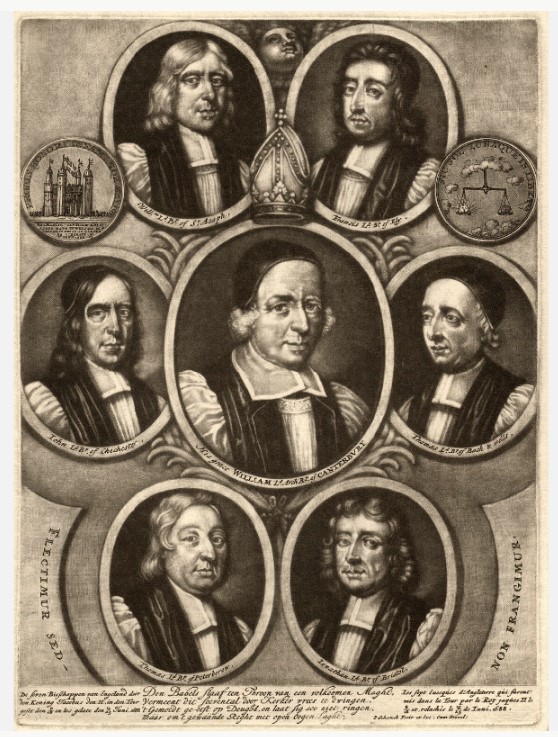
"The 1688 Bill of Rights — that it is the right of the Subjects to Petition the King & all Prosecutions & commitments for doing so are illegal."
📜

The Power of Petitioning in Seventeenth-Century England
petitioning.history.ac.uk #powerofpetitioning
📋
Public Petitions to the House of Commons, 1780–1918
reshare.ukdataservice.ac.uk
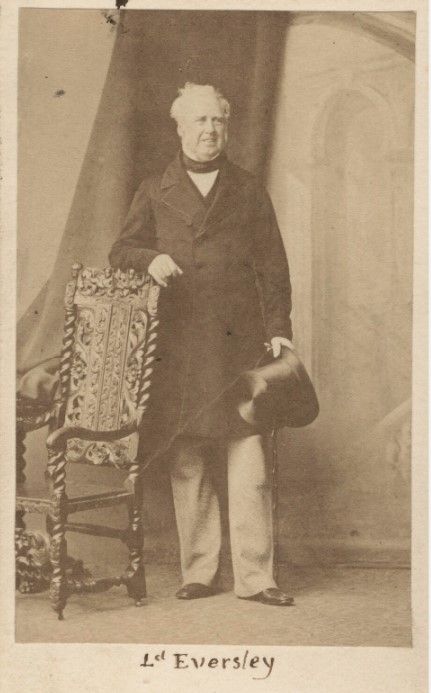
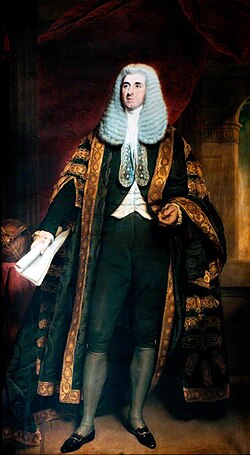
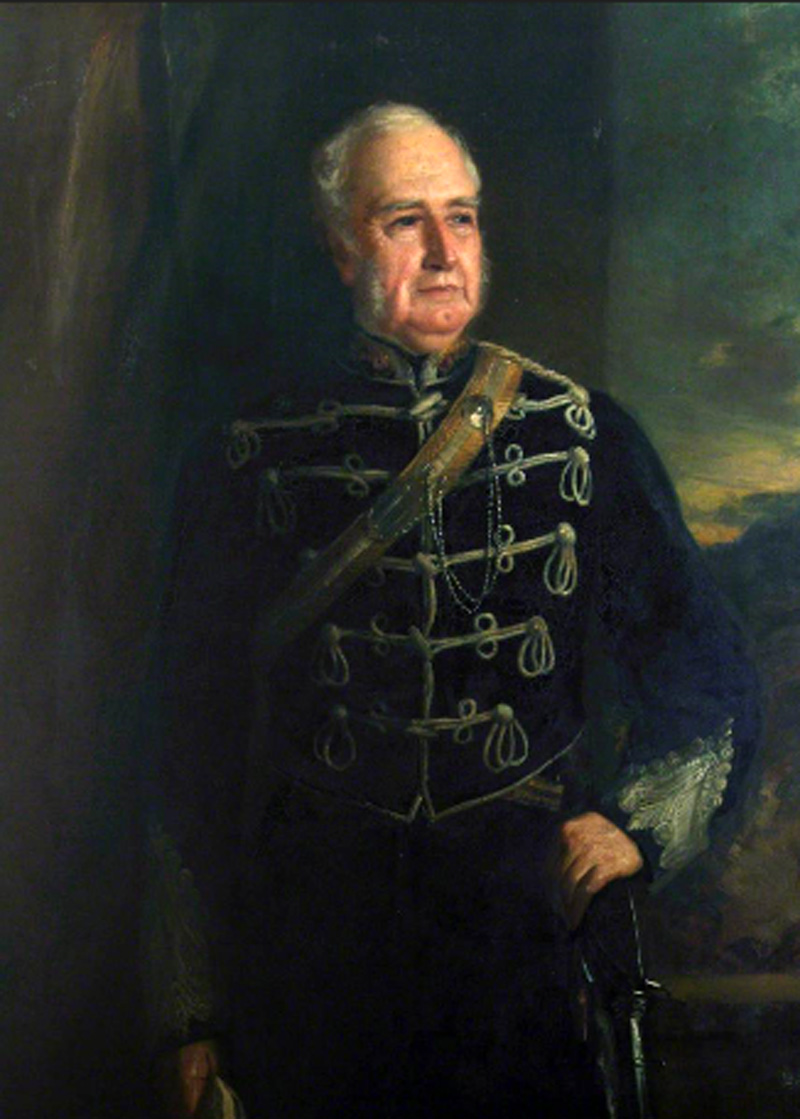
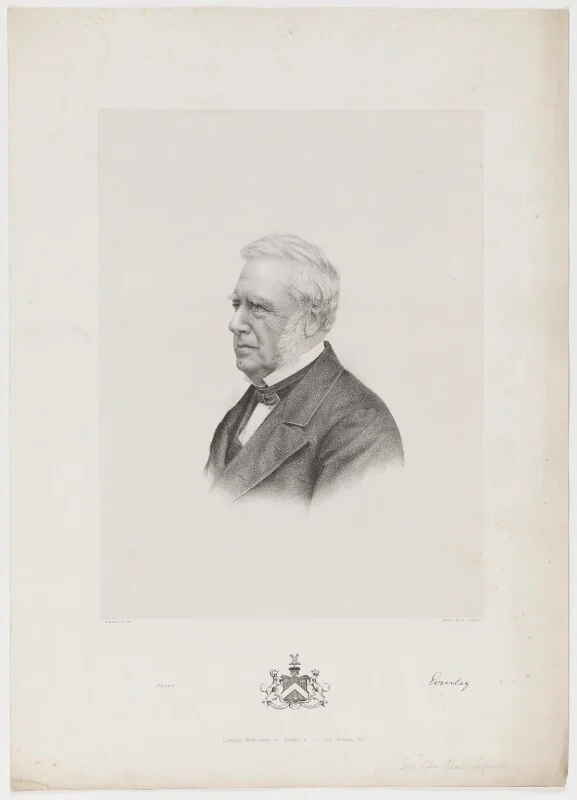
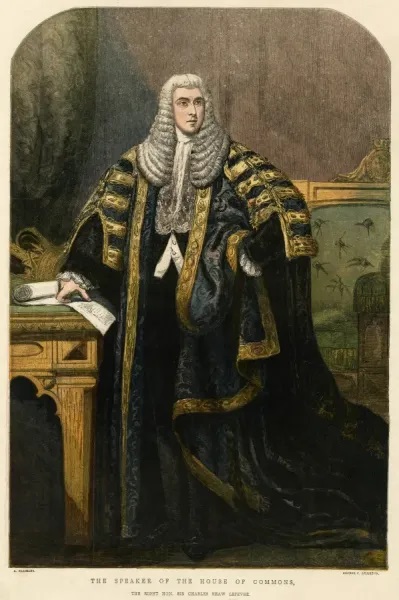
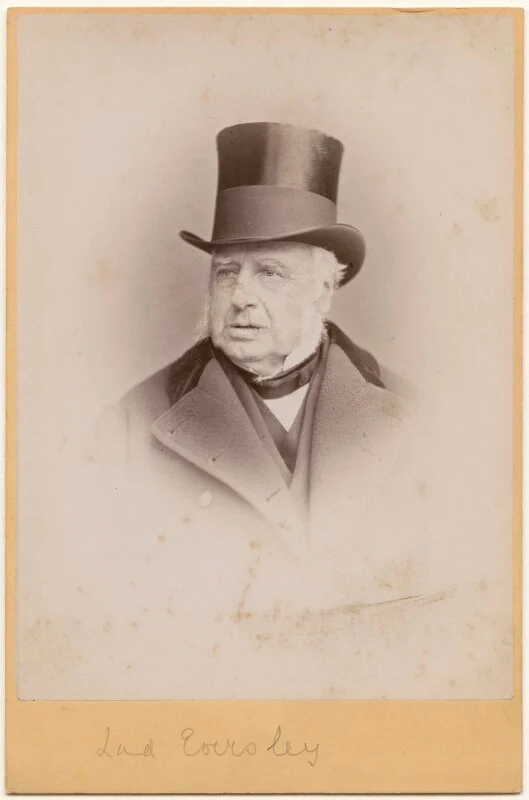
Speaker of the House of Commons, 1839–1857

Feargus O'Connor
chartistancestors.co.uk — Chartist Ancestors research database
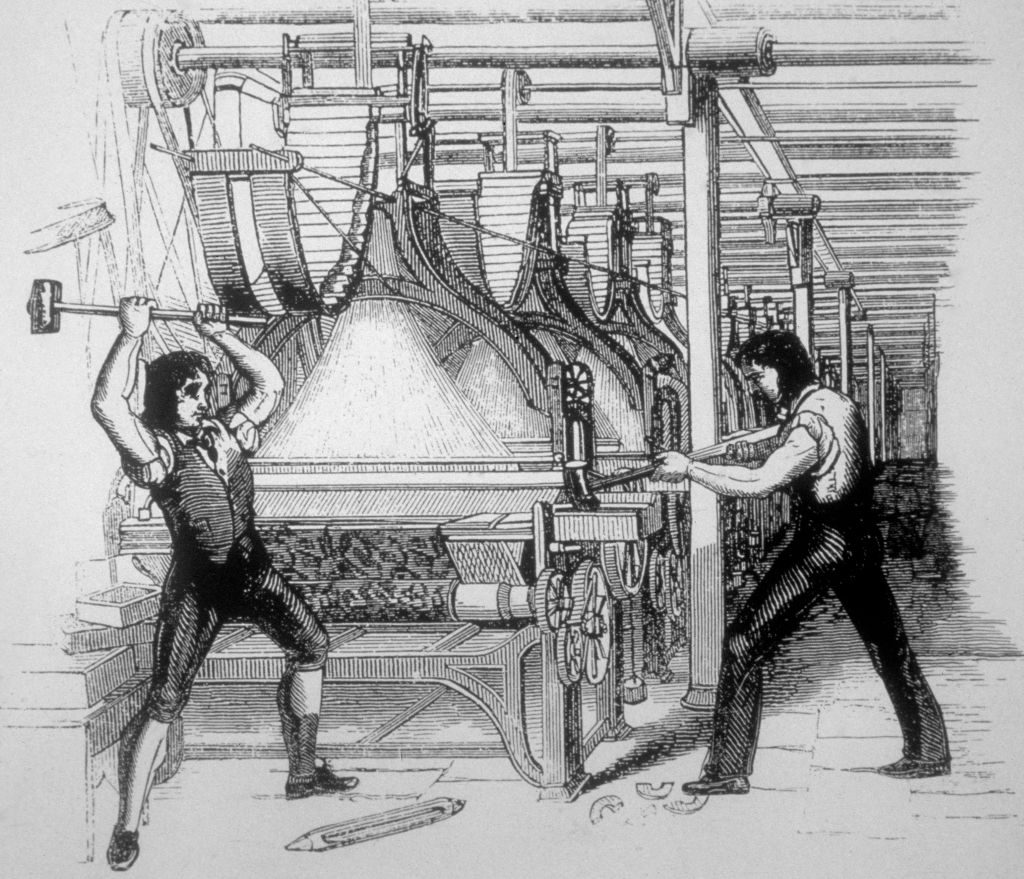
Workers in the textile centres of the Midlands and the North organised and pushed back. In 1807, a petition with 130,000 signatures was sent to Parliament in favour of a minimum wage. ⚒️ tooltip
John Wilkes & the Right to Petition
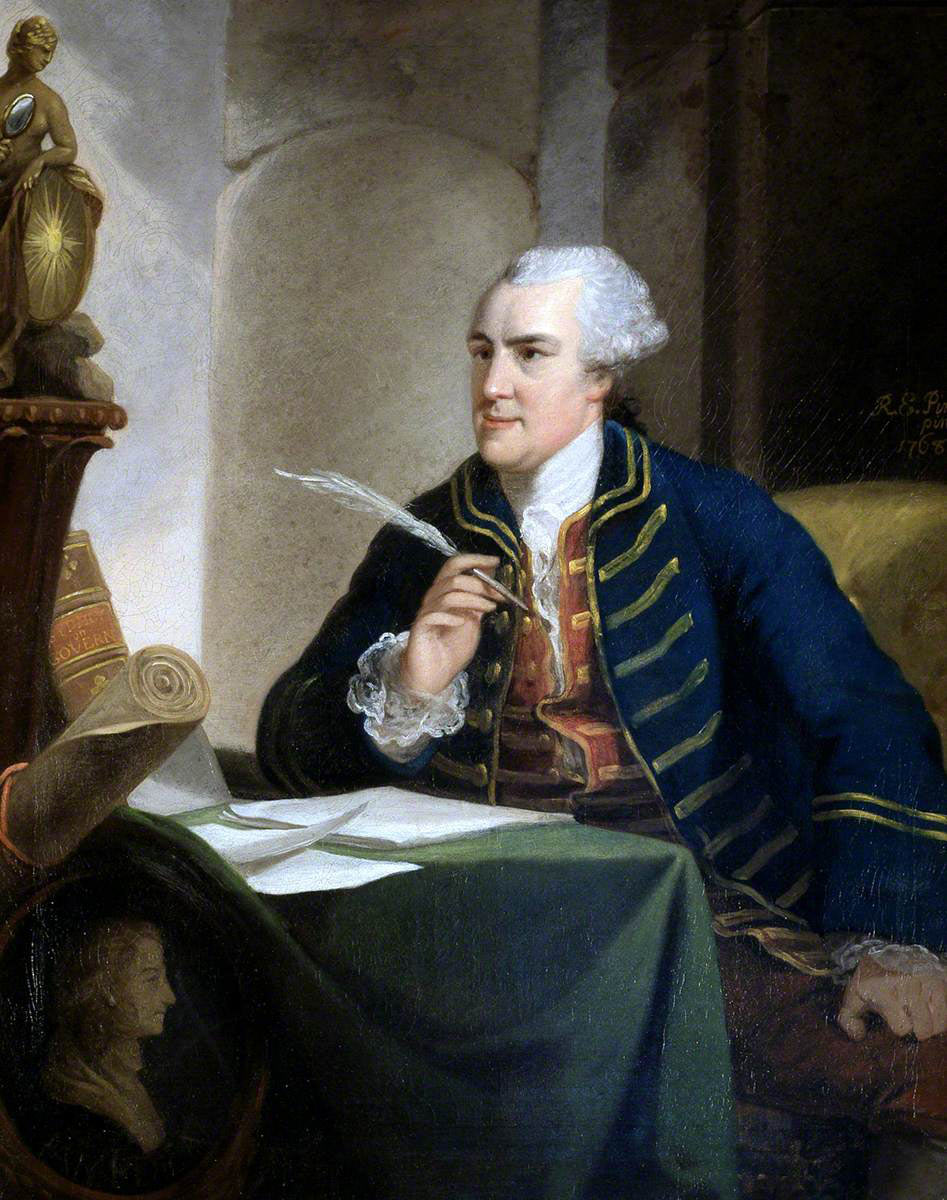
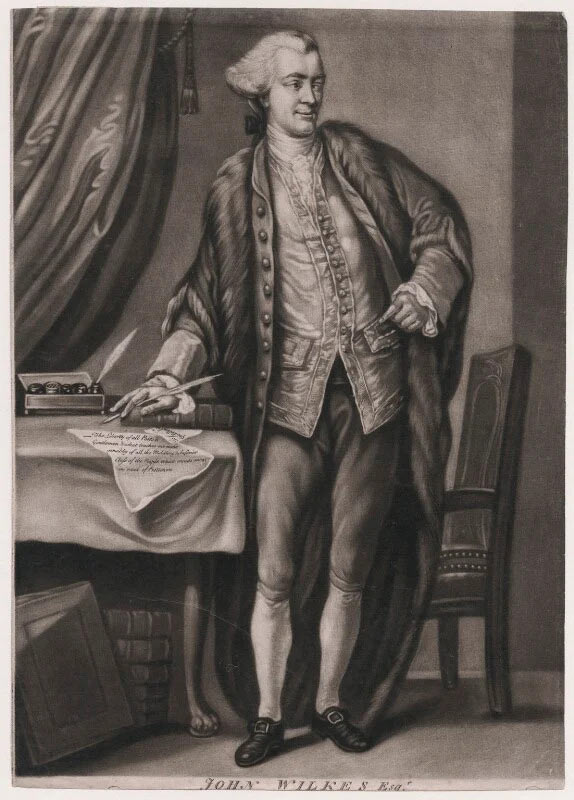
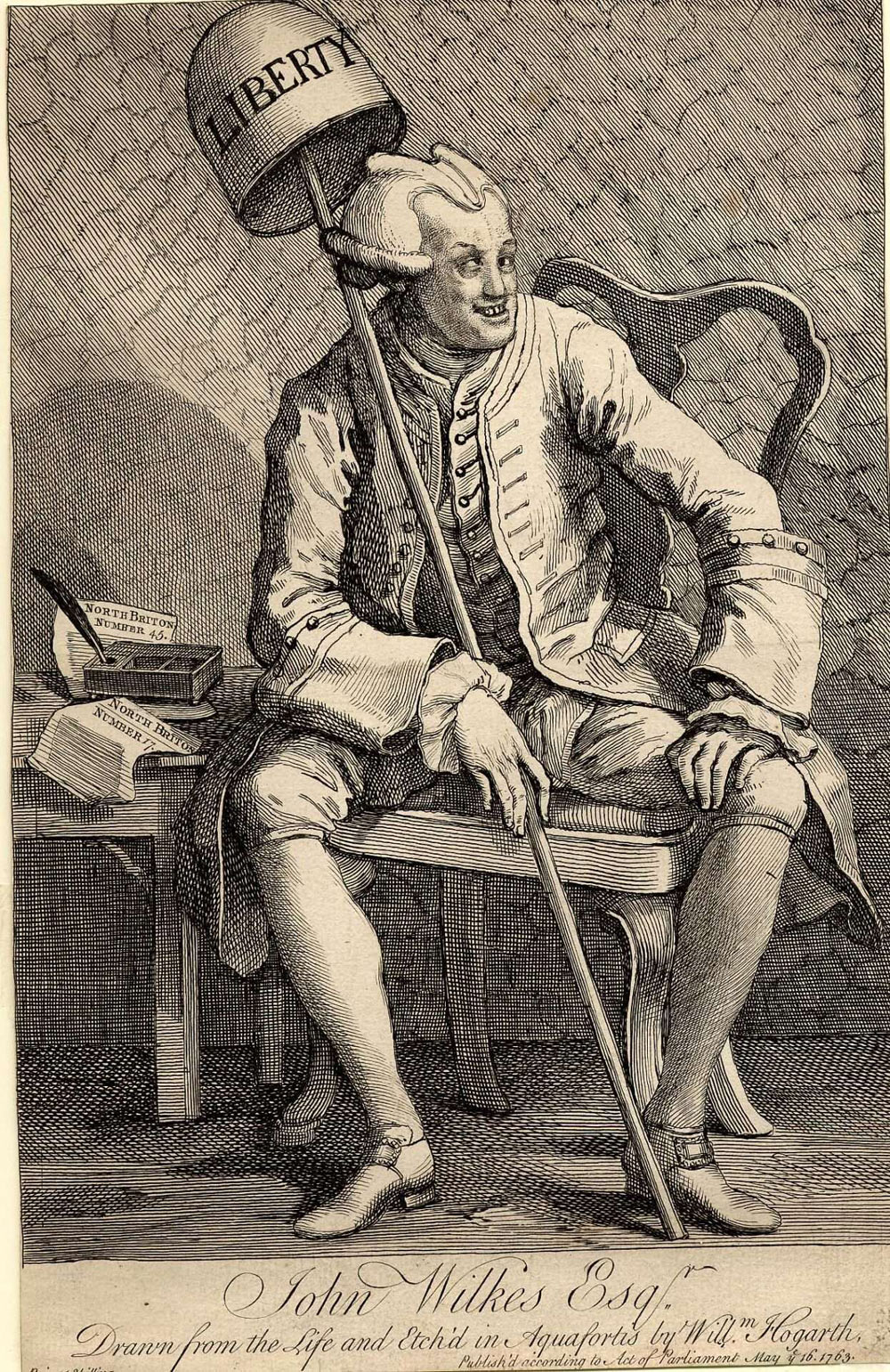
Election Petitions
🏛️ Physical Archives
📁
The National Archives, Kew
nationalarchives.gov.uk
TS 11/112 — Treasury Solicitor's Files (Speaker's Certificates / mass-staying of warrants)
KB 21 — King's Bench Rule Books · KB 27 — King's Bench Judgment Rolls
HO 27 — Criminal Registers 1791–1892
⚠ Parliamentary Archives (formerly Westminster, Victoria Tower) relocated to Kew 2025/26:
JHC — Journals of the House of Commons (manuscript) · LJ — Lords Journals (manuscript)
KB 21 — King's Bench Rule Books · KB 27 — King's Bench Judgment Rolls
HO 27 — Criminal Registers 1791–1892
⚠ Parliamentary Archives (formerly Westminster, Victoria Tower) relocated to Kew 2025/26:
JHC — Journals of the House of Commons (manuscript) · LJ — Lords Journals (manuscript)
🏛️
London Metropolitan Archives
search.lma.gov.uk
Middlesex Quarter Sessions: MJ/OT (Order Books) · MJ/SR (Sessions Rolls)
MJ/SB/B/1448 & MJ/SB/B/1449 — Indictments trespass/misdemeanour 1797–1827
MJ/CB — Master Calendars Dec 1833–Mar 1889 · MJ/SP — Sessions Papers 1800–1889
MJ/SP/E — Informations & Examinations Sep 1828–Nov 1889
MJ/CP/A (1836–1853) · MJ/CP/B (1855–1892) — House of Detention Calendars
City of London: Court of Aldermen Order Books · London Corporation Order Books
MJ/SB/B/1448 & MJ/SB/B/1449 — Indictments trespass/misdemeanour 1797–1827
MJ/CB — Master Calendars Dec 1833–Mar 1889 · MJ/SP — Sessions Papers 1800–1889
MJ/SP/E — Informations & Examinations Sep 1828–Nov 1889
MJ/CP/A (1836–1853) · MJ/CP/B (1855–1892) — House of Detention Calendars
City of London: Court of Aldermen Order Books · London Corporation Order Books
🌳
📜 House of Commons Journals
The 1972–73 Select Committee on Procedure
The Petition Committee was abolished on April 4, 1974
📝 tooltip
📊
Public & Private Petitioning StatisticsDatasets from Parliament
📌
Pages of Special Interest or ImportanceContempt and Breach of Privilege
📖
📖
Contempt Law
📖
📖
📖
📖
Contempt Proceedings
📖
📖
📖
Writs of Privilege specimen
📖
📖
Extent of Protection
📖
📖
Vacher & Sons Preliminary Proceedings
Privileges and Practice of Parliaments, London, 1628. Cover page.
Pages 22–23. The forme of a Letter to bee directed to the Sheriffe for discharge of a Servant that is Arrested upon Execution, and during the time of the Parliament notwithstanding his Protection. Mr Sheriffe, whereas I was to bee attended to the Parliament, I wanted one of my houshold servants, a Gentleman of mine, called B. to whom I had given a priviledge for this Session of Parliament, to prevent any arrest or imprisonment for his debts, to the end he might waite on mee, and prosecute my busines with more diligence and lesse danger of Interruption in that kinde. But I now understand hee is in the Custody of the Sheriffe of Middlesex, within the dayes limited upon an Execution of 1000 pounds, and that he doth detaine him and will take no notice of my priviledge under my hand and Seale, although it hath beene shewed him. I have chosen rather to write to you then to take the Ancient priviledges and liberties of the upper House of Parliament, and the honour of a Peere of this Kingdome into your friendly consideration, then that I would be offensive to any your subordinate Officers, in sending for them and the Plaintiffe by a Serjeant at Arms, or to convent them before the Lords for their contempt. And Mr Sheriffe, I am further given to understand, that the Deputy is brother to the under Sheriffe, and that hee did execute the Office the last yeare, which is a plaine defrauding of the Law, it being well knowne that his brother doth not intermeddle in the Office at all, nor taketh any notice at all what warrants are made forth, or what writs are brought to his hands, for his Deputie doth take the whole benefit of the place into his owne hands. Concerning the upper house of Parliament; first it is observed, that thither commeth all Lords of the Parliament aswell Spirituall as Temporall, and they are summoned by the Kings writ also, but separately, and not by a generall writ to the Sheriffe of the County, as the Commons are summoned.
Pages 20–21. It hath beene much doubted whether one taken in Execution during the Parliament, may be set at liberty by writ of Parliament, as is to be seene in the first of Eliz. 4. Fol. 8. Dyer, 60. But at this day the Law is explained in that case by the Statute made 1 Jac. Cap. 13, intituled an act for new execution to be sued against any who shall hereafter be delivered out of prison by priviledge of Parliament. And for discharge of them out of whose custody such prisoners shall be delivered. The forme of a Protection to be made by any person of eyther House of Parliament, unto such of their Servants as may stand in danger of Arresting in time of Parliament. Fees to be paid on the taxation of Private Bills: For serving any Summons or Order on a Private Bill: six shillings. For every Order for the commitment or discharge of any person: one pound. For taking any person into custody for a Breach of Privilege or Contempt: five pounds. For taking any person into custody for any other cause: two pounds. For every day on which any person shall be in custody: one pound. For Riding Charges per mile: six pence. Standing Orders: That every Bill for the particular interest or benefit of any person or persons, whether brought in upon Petition, or Motion, or Report from a Committee, or from the Lords, hath been and ought to be deemed a Private Bill. Fees to be taken by the Shorthand Writer: For every day he shall attend: three pounds three shillings. For the transcript of his notes, per folio of 72 words: one shilling. Ordered, Mercurii 27 July 1864, That the said Table of Fees be a Standing Order of this House. Clerk of the House of Commons.
Index to Hansard's Parliamentary Debates, Volume XCVIII, being the Fourth Volume of Session 1847–1848. Index entries include: Aberdeen, Earl of; Diplomatic Relations with Spain; Advocate, The Lord; Administration of Criminal Justice Bill; Aldermen, Mr H. A. Challensworth; Borough Improvements and Scotland; Borough Courts; Government Security; Landed and Viewed; Anel, Mr T. C.; Tompshel; Expulsion of the Spaniard from Madrid; Anstey and Coppock; Law and Government Security; Anstey, Capt. M.E.; Frommouth; Crown and Government Security; Apell, Price of; New Distribution; Arming and Training in Dublin.
Hansard's Parliamentary Debates, House of Commons, 8 June 1837. Privilege — Publication of Papers. Columns 1269–1270. Attorney-General Sir John Campbell speaking: Now, is it possible to contend that a public servant charged with an abuse of his trust can thus sustain an action for libel? Take a case that has actually occurred. When the present Lord Chief Justice of the King's Bench was a Member of the House of Commons, he felt it to be his duty to move for an inquiry into the conduct of Mr. Kenrick, a magistrate of the county of Surrey, and a judge of the principality of Wales. He charged Mr. Kenrick with having dishonoured his magisterial functions, and with the guilt of partiality, violence, and malignity, in imprisoning an individual in some degree under his protection. Evidence was taken at the bar in support of these allegations: evidence painful, no doubt, to the feelings of Mr. Kenrick. That evidence, and the petition preferring the complaint, were printed upon the motion of Mr. Denman, and became matter of public notoriety throughout the whole country. Now, supposing a Member of Parliament, having received his copy of these printed papers, had lent it to a friend, or to a constituent, for the purpose of justifying to that constituent his vote — had thus given to it a publicity beyond that which was required for the use of Members; will any one contend that it was competent to Mr. Kenrick to maintain an action for libel against the printer of the House of Commons? If Mr. Kenrick could not, who can? The charges against him implied conduct highly criminal; the evidence ex parte was very injurious to his character, and the result was tantamount to his acquittal, for no vote of censure was passed, still less was any proceeding adopted for his removal either from the judicial station or the commission of the peace. Why was he debarred from redress? Because in his case, as in others, the privilege of Parliament protected the presentation of the petition, the printing of that petition, of all the documents connected with it, of the accusatory evidence given at the bar; and it would have been thought preposterous, if Mr. Kenrick, holding a public trust, and charged with the abuse of it, had sought redress from the Court of King's Bench against acts done or authorised by the House of Commons, in whatever manner they might acquire publicity. Source: api.parliament.uk/historic-hansard/commons/1837/jun/08/privilege-publication-of-papers